
Heart & Breast Care Clinic

Jupiter Hospital, Baner, Pune

Ruby Hall Clinic Sassoon Road Pune

Edit Template

Author name: Dr. Shilpy Dolas

Breast cancer, Breast Cancer Awareness, Breast Cancer Care

Environmental Chemicals and Breast Cancer Risk

Environmental Chemicals and Breast Cancer Risk Schedule an Appointment At Dr Shilpy Dolas Breast clinic, we are dedicated to providing valuable information about breast health and empowering individuals to make informed choices. In this article, we delve into the topic of environmental chemicals and breast cancer risks with their potential impact on an individuals life. Our aim is to provide you with comprehensive insights and help you understand the relationship between environmental factors and breast cancer development. The Complex Nature of Breast Cancer Breast cancer is a multifaceted disease influenced by various factors, including genetic predisposition, lifestyle choices, and environmental exposures. While genetics play a crucial role, research suggests that environmental chemicals can also contribute to the development and progression of breast cancer. Understanding Environmental Chemicals and Breast Cancer Risk Environmental chemicals encompass a wide range of substances that exist in our surroundings, including industrial pollutants, pesticides, plasticizers, and personal care products. These chemicals can enter our bodies through ingestion, inhalation, or dermal absorption, and some may persist in our tissues for extended periods. line diagram giving us an idea about three important environmental chemicals- plastic, pesticides and smoke which increases breast cancer development risks Chemicals of Concern Several environmental and breast cancer risk association has seen in various studies. These chemicals have been identified as potential contributors to breast cancer risk. These include: Endocrine Disrupting Chemicals (EDCs): EDCs interfere with the body’s hormonal system and can mimic or block the actions of natural hormones. Common EDCs such as bisphenol A (BPA) and phthalates are found in plastics, food containers, and personal care products. Persistent Organic Pollutants (POPs): POPs are highly resistant to degradation and can accumulate in the environment and in living organisms. Examples of POPs include polychlorinated biphenyls (PCBs) and certain pesticides like DDT. These chemicals can enter the food chain and ultimately reach human populations. Aromatic Hydrocarbons: Aromatic hydrocarbons, such as polycyclic aromatic hydrocarbons (PAHs), are released during the combustion of fossil fuels, tobacco smoke, and charred or grilled foods. They have been linked to an increased risk of breast cancer. Potential Mechanisms of Action Their are precise mechanisms by which environmental chemicals and breast cancer risk development are still being explored. However, several potential pathways have been identified: Hormonal Imbalance: Some chemicals can disrupt the delicate balance of hormones in the body, leading to abnormal estrogen signaling, which is strongly associated with breast cancer development. DNA Damage: Certain chemicals have the ability to damage DNA, which can result in genetic mutations and alterations that promote cancerous cell growth. Inflammation and Oxidative Stress: Environmental chemicals may trigger chronic inflammation and oxidative stress, processes known to contribute to cancer initiation and progression. Minimizing Exposure and Promoting Breast Health While complete avoidance of environmental chemicals may be challenging, there are steps you can take to minimize exposure and promote breast health: Choose Safe Products: Opt for personal care products and household cleaners that are free from potentially harmful chemicals. Look for labels indicating “paraben-free,” “phthalate-free,” and “fragrance-free.” Avoid Plastic Containers: Whenever possible, choose glass or stainless steel containers for storing food and beverages, as certain plastics may leach harmful chemicals into your food. Go Organic: Select organic produce and prioritize foods that have been grown without the use of synthetic pesticides or fertilizers. This can help reduce exposure to harmful chemicals present in conventionally grown crops. Promote a Healthy Lifestyle: Maintain a well-balanced diet, engage in regular physical activity, limit alcohol consumption, and avoid smoking. These lifestyle choices can help reduce the overall risk of breast cancer. Conclusion In conclusion, while the relationship between environmental chemicals and breast cancer risk is complex, evidence suggests that these chemicals can indeed play a role in the development and progression of breast cancer. Understanding the potential risks associated with environmental chemicals is crucial for making informed decisions about lifestyle choices and minimizing exposure. At Dr Shilpy Dolas breast specialist in Pune Breast clinic, we are committed to providing you with the knowledge and tools to promote breast health and reduce the potential impact of environmental chemicals. By following the suggested measures outlined above, you can take proactive steps to minimize your exposure to harmful substances and create a healthier environment for yourself and your loved ones. Remember, breast cancer is a complex disease influenced by various factors, and no single approach can completely eliminate the risk. However, by staying informed and adopting healthy lifestyle choices, you can significantly contribute to maintaining breast health. The diagram above illustrates a comprehensive approach to breast health, encompassing lifestyle choices, minimizing exposure to environmental chemicals, and regular check-ups. By incorporating these practices into your daily life, you can actively take charge of your well-being and potentially reduce the risk of breast cancer. If you have any query about breast cancer, contact Dr. Shilpy Dolas. She is an eminent breast cancer treatment specialist in Pune and deals with all kinds of breast-related issues with advanced ways of treating. At Heart and Breast Care clinic by Dr. Shilpy Dolas, we remain dedicated to providing reliable information and resources to empower individuals like you in making informed decisions about their health. Together, we can create a future where breast cancer incidence is minimized, and individuals can lead healthy, fulfilling lives. Remember, knowledge is power, and by staying informed about environmental chemicals and breast cancer risks association and their potential impact on breast cancer risk, you are taking a significant step towards safeguarding your health and well-being. References: Smith, M.T. et al. (2013). Breast Cancer and the Environment: Why Public Health Messages Interfere with Individual Choice. Environmental Health Perspectives, 121(3), 196-204. Terry, M.B. et al. (2019). Environmental Exposures during Windows of Susceptibility for Breast Cancer: A Framework for Prevention Research. Breast Cancer Research, 21(1), 96. Note: This article is for informational purposes only and should not be considered as medical advice. Consult with a healthcare professional Dr Shilpy Dolas for personalized guidance related to breast health and cancer prevention. Locate us at: Dr. Shilpy Dolas private clinic-Heart and breast care clinic, pimpri – Monday to saturday Dr Shilpy Dolas at Jupiter Hospital – Monday and wednesday Dr Shilpy Dolas
Breast cancer, Breast Cancer Awareness, Breast Cancer Care

Debunking Myths About Breast Cancer

Debunking Myths About Breast Cancer Schedule an Appointment Debunking Myths About Breast Cancer with a Breast Doctor in Pune Breast cancer can hit anyone and at any age. It is a significant disease in India with deadly effects. Indian women are still not aware of it entirely and have a lot of myths about breast cancer in their minds about it. Let’s read about some myths about breast cancer debunked by Breast Doctor in Pune that one must stay far away from: First Myth about breast cancer- Every lump is cancer. No, not at all. Every lump found in your breast is not identified as cancer. 8 out of 10 lumps come and go on time and are not at all cancerous. Second myth about breast cancer- Cancer can affect only at a specific age. Cancer has no time limit and can occur at any age. It can grab you anytime. Girls between 20 to 45 years of age are most likely to have this disease. Third myth about breast cancer- I cannot have breast cancer. No matter how hygienic you are or how safe you stay, this disease can affect you at any time. The only way to prevent it is by remaining vigilant and proactive with your health check-ups. Fourth myth about breast cancer- We know what causes breast cancer. Like Really? Even a Breast Cancer Specialist is not sure about what causes cancer. We’re not sure exactly what triggers breast cancer. There are, however, well-known risk factors. The two most significant considerations are while a girl attains puberty or when a woman crosses the age of 30. Many identified risk factors include recently diagnosed breast cancer in the same or both breast, a clear family history of breast cancer, early starting of menstrual cycle before age 12, late menopause after age 55, not having children or raising the first child after the age of 30, long-term usage of hormone replacement therapy, obese or overweight, particularly after menopause. Fifth myth about breast cancer- I don’t have a family history, so I am safe. Dr. Shilpy Dolas is a Breast doctor in Pune, she informed that this is the biggest myth about breast cancer. Several aspects decide how breast cancer progresses. These are identified, although there might be specific causes that might not be clear to the scientific profession. Though genetics play a key role in deciding a person’s vulnerability to breast cancer, it is not the sole determining factor. Environmental influences have a significant impact on a person. Cosmetic parabens correlate with breast cancer. Now that we have cleared a lot of myths about breast cancer, it is advised you follow them and be proactive towards your health check-ups.

bart testing breast cancer, bci breast cancer test, best screening test for breast cancer, best test to detect Breast cancer, biomarker testing Breast cancer, Biopsy, blood test for Breast cancer gene, blood test for Breast cancer recurrence, blood test to diagnose breast cancer, Breast cancer, Breast Cancer Awareness, Breast Cancer Care, Breast cancer check up, breast cancer imaging tests, Breast cancer knowledge test, breast cancer prevention, Breast Cancer Risk Factors, Breast cancer surgery, breast cancer test at home, breast cancer test cost in pune, breast cancer test in bangalore, breast cancer test in delhi, breast cancer test in mumbai, breast health

Top Alarming Symptoms of Breast Cancer

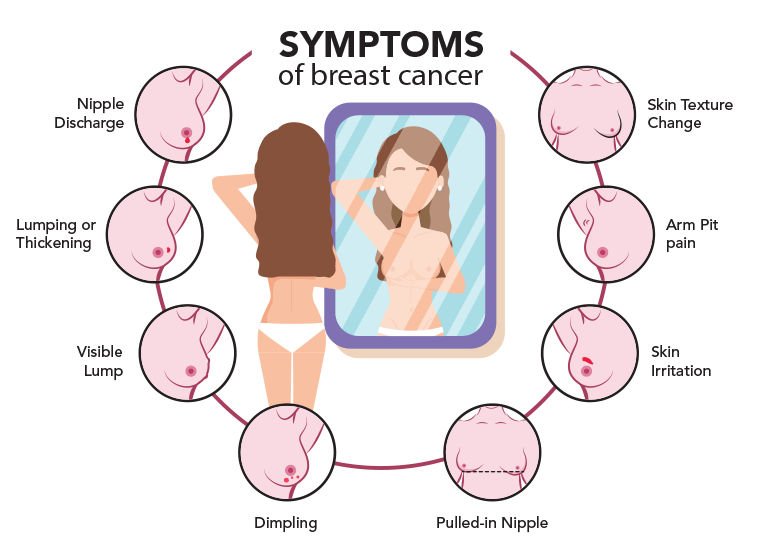
Top Alarming Symptoms of Breast Cancer Schedule an Appointment Over the last few years, there has been a rise in cancer incidences in India. Most of the time, symptoms of breast cancer get unnoticed. It is the result of various reasons such as lifestyle change, addiction to harmful substances, aging, and food habits are certainly important causes. India will reach 1.2 million new patients fighting cancer and approximately 2.2  million survivors, according to the latest Globocon data. There is quite a difference in the pattern of cancer in males and In a male, the most common forms of cancer are oral, lung, and lip, whereas, in a female, the most common forms are cervix, breast, and oral cancers. Dr. Shilpy Dolas is a Breast Cancer Specialist in Pune in the following blog she has guided in creating awareness by telling about symptoms of  breast cancer How can awareness help to fight cancer and read about symptoms of breast cancer? People are unaware of the early symptoms of cancer and its signs. Moreover, people have many taboos related to cancer, prohibiting them from coming for treatment. If cancer is detected in the right stage, treatment is possible and can completely be cured with proper guidance. Survival rate Early diagnosis and proper treatment of cancer increase the survival rate from cancer. It has been found that most of the Indian population comes for treatment at an advanced stage when cancer has spread to other vital organs. Late prognosis and the start of treatment reduce the chance of survival. Consult an oncologist for further diagnosis and evaluation if you find any alarming symptoms. Alarming early symptoms of breast cancer Breast Lump The first and foremost sign-on of breast cancer is the discovery of a breast lump. The lump can be painless, and you might ignore it at first. The lump in your breast can be harmless; however, you must get it checked by a physician. The sooner you find out the cause of the lump, the easier it will be to treat it. Pain in breast There can be a usual pain in your breast, which could be regular aches or an alarming sign of cancer. Therefore, it is important that if your pain remains longer without any injury, it is not normal. Prolonged pain should be checked with a physician as early as possible, and the same applies to your nipple area pain. However, breast pain can be due to several reasons like fluctuation of hormones, ill-fitted bra, certain birth control pills, development of cysts in breasts, etc. Discharge from nipples Nipples are a type of valve that helps babies to drink milk. The milk will flow freely when babies suck, or it may flow automatically when the breasts are full. Despite this, nipples shouldn’t have any kind of discharge other than milk release. Any experience of such nipple discharge should be immediately considered and checked by an oncologist. Swelling Breasts are quite similar in size, with one breast often slightly larger. The alarming sign is when one of the breasts gets suddenly swollen for no reason than the other. In such a scenario, you shouldn’t waste your time and immediately consult a doctor; an early diagnosis will save you from pain and discomfort. Change in overall appearance The breasts, apart from aging, remain the same in appearance once they are developed. Any physical change in the appearance of the breasts, which includes size and shape, is another alarming sign of breast cancer. It is best to consult with a doctor to find out the real cause behind the issue, as being late can affect your health. Flaking skin The skin of your breast areola is quite soft and smooth. The skin of the areola didn’t face any friction other than ill-fitted bras. If you experience flaky, scaly, or rough skin texture on that part, it may be due to breast cancer. Therefore, you must check with your doctor if your experience changes in the skin texture of the areola. Maybe the change in skin is nothing but an unusual skin issue, but it is better to stay aware. Increasing fear of cancer lead to mastectomies or Double mastectomies It is increasing fear among women at high risk of developing cancer. A double mastectomy may protect you from developing cancer. A double mastectomy may protect you from a high risk of getting breast cancer due to a genetic mutation. Why do women choose mastectomies? Many women undergo surgery to look good, as they feel with one breast surgery, they will look out of balance. Following the operation, patients can opt for plastic surgery to reconstruct their breasts and look perfect. Top factors associated with breast cancer Reasons for benign breast lumps: There could be several reasons behind breast lumps, including breast infection, fibroadenoma, fibrocystic breast disease, and fat necrosis. At the same time, fat necrosis and a cancerous lump can be difficult to distinguish without a biopsy. Painless lumps can be one of the most common symptoms. Late signs of breast cancer While the early signs have been discussed above, the late signs include inward turning of the nipple; an existing lump may get bigger, dimpling of the surface of the breast, orange peel of the skin’s texture, unintentional weight loss, and visible veins on the breast. META Information The symptoms may vary, and having one or more of the above symptoms doesn’t mean you have breast cancer. Timely identification and diagnosis help in letting you out of cancer. A mammogram is an X-ray of the breast that helps identify the difference between a malignant and benign mass of cancer; your oncologist would recommend this test along with an MRI scan to get a non-invasive image to examine the breast tissue.

Plot no. 78/A, near Annasaheb Magar Stadium,Yashwant Nagar, Pimpri, Pune

Contact us:
+91 8237337784

Timing:
Monday to Saturday : 4pm – 7pm

Consultation Fees: 
Rs 800

Lane 3, Baner – Balewadi Rd, Prathamesh Park, Baner, Pune, Maharashtra 411045

Contact us:
+91 8237337784
OPD2  +020 2799 2121

Timing:
Monday : 9am – 10am

Consultation Fees: 
Rs 1100-1300

40, Sasoon Rd, Sangamvadi, Pune, Maharashtra 411001

Contact us:
+91 8237337784
+020 6645 5267

Timing:
Wednesday & Friday : 12pm – 2pm

Consultation Fees: 
Rs 800-1000

Scroll to Top